

No products in the cart.
Blog
Psychedelic Research in the United States: Trends, Science & the Future
01
Sep
Sep
Psychedelic Research in the United States: Trends, Science, and the Future
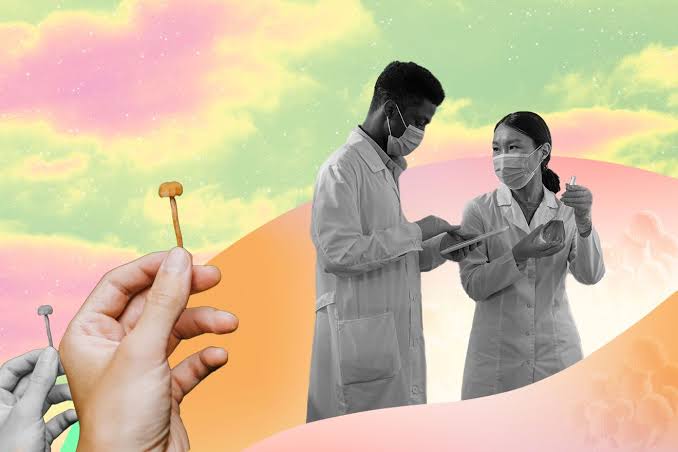
Psychedelic research has become one of the most closely watched areas of modern neuroscience and mental health research in the United States. Scientists, universities, healthcare organizations, and regulators are increasingly studying psychedelic and dissociative compounds to better understand how they affect the brain and whether carefully developed treatments could eventually help address serious medical conditions. psychedelic research in the United States
In 2026, the conversation surrounding psychedelics is increasingly focused on science, clinical research, safety, and regulation.
While public interest continues to grow, it is important to separate scientific research from exaggerated claims. Many psychedelic substances remain federally controlled or investigational, and research into potential medical applications is still developing.
What Is Psychedelic Research?
Psychedelic research examines how certain compounds affect the brain, perception, cognition, mood, and behavior.
Scientists are studying several categories of substances, including:
- Classic psychedelics such as psilocybin and LSD
- Entactogens such as MDMA
- Dissociative drugs, including ketamine
- Other emerging compounds being investigated in clinical and laboratory settings
According to the National Institute on Drug Abuse, psychedelic and dissociative drugs can temporarily alter mood, thoughts, and perception. Researchers are studying their health effects and potential medical applications while also examining important safety concerns.
Why Is Psychedelic Research Growing in the United States?
Interest in psychedelic science has increased significantly during the past decade.
Researchers are exploring questions such as:
- How do psychedelic compounds affect brain networks?
- Can specific compounds be developed into regulated medicines?
- What safety measures are necessary during clinical studies?
- How should researchers measure potential benefits and risks?
- How can clinical trials be designed to produce reliable results?
Modern psychedelic research is very different from simply making broad claims about these substances. Clinical research requires carefully designed studies, safety monitoring, ethical oversight, and regulatory review.
Psilocybin Research
Psilocybin is among the most widely discussed substances in modern psychedelic research.
Scientists are investigating how psilocybin affects brain activity and whether controlled clinical research may lead to future medical applications.
Research has generated significant public attention, but psilocybin remains federally controlled in the United States. Scientific interest should not be confused with general medical approval. psychedelic research in the United States
The National Institutes of Health has also highlighted research into how psychedelic compounds can temporarily alter communication between major brain systems. These findings may help scientists better understand the neurological effects of psychedelics.
MDMA and Clinical Investigation
MDMA has also been the subject of extensive scientific and regulatory discussion.
Researchers have investigated its potential role in treating serious mental health conditions within controlled clinical environments.
However, investigational research does not automatically mean that a substance has been approved as a standard medical treatment.
Clinical development requires strong evidence regarding both safety and effectiveness.
Ketamine and Psychedelic-Related Research
Ketamine occupies a unique position in discussions about psychedelic and dissociative medicine.
Unlike many classic psychedelics, ketamine has established medical uses, including anesthesia. Researchers have also studied ketamine and related approaches in mental health care. psychedelic research in the United States
Its inclusion in broader discussions about altered states and brain science demonstrates how diverse this field has become.
LSD and the Continuing Study of Classic Psychedelics
LSD remains one of the best-known classic psychedelics.
Although it has been part of public discussion for decades, modern researchers continue studying classic psychedelics using improved neuroscience tools and clinical research methods.
Scientists are interested in understanding:
- Brain connectivity
- Perception and cognition
- Long-term neurological effects
- Safety considerations
- Potential therapeutic mechanisms
Modern research places strong emphasis on carefully controlled environments and rigorous data collection.
The FDA and Psychedelic Drug Development
One of the most important developments in psychedelic research is the growing involvement of U.S. regulatory agencies.
In July 2026, the U.S. Food and Drug Administration issued final guidance titled “Psychedelic Drugs: Considerations for Clinical Investigations.”
The guidance addresses important considerations for companies and researchers developing psychedelic drugs for potential medical uses.
The FDA recognizes that psychedelic clinical trials can present unique challenges. Researchers must carefully consider study design, participant safety, data collection, psychological effects, and other factors when evaluating these compounds.
This development demonstrates that psychedelic drug research is increasingly being addressed within formal scientific and regulatory frameworks.
Safety Must Remain Part of the Conversation
Growing public interest in psychedelics makes accurate education especially important.
Psychedelic and dissociative substances can significantly alter perception, thoughts, emotions, and awareness. These effects can create risks, particularly outside controlled medical or research environments.
Important safety considerations include:
- Individual psychological vulnerability
- Interactions with other substances or medications
- Product identity and labeling concerns
- The possibility of unexpected psychological effects
- The importance of professional clinical oversight in research settings
Scientific research should never be replaced by social media trends, marketing claims, or misinformation.
Separating Psychedelic Science From Hype
The rapid growth of psychedelic discussions online has created a mixture of legitimate scientific information and exaggerated claims.
Responsible psychedelic education should distinguish between:
Scientific research — controlled studies designed to answer specific questions.
Investigational treatments — therapies still being evaluated and not necessarily approved.
Approved medical treatments — therapies that have completed the required regulatory process.
This distinction is essential for anyone interested in understanding the future of psychedelic medicine.
What Does the Future of Psychedelic Medicine Look Like?
The future remains uncertain, but psychedelic research is continuing to attract attention from scientists and regulators.
Potential areas of future development include:
- Improved clinical trial design
- Better understanding of psychedelic neuroscience
- New compounds developed specifically for medical research
- Improved safety monitoring
- Research into mental health and substance use disorders
- Development of evidence-based treatment protocols
The most important factor will continue to be high-quality scientific evidence.
Not every promising early result will lead to an approved treatment. Like all areas of medicine, psychedelic drug development requires careful research, independent evaluation, and strong safety standards.
The Importance of Responsible Psychedelic Education
As interest in psychedelic science continues to grow, access to accurate information becomes increasingly important.
A responsible discussion should acknowledge both scientific potential and uncertainty.
Psychedelic research is not simply about trends. It involves neuroscience, clinical medicine, psychology, ethics, public health, and regulation.
The future of this field will depend on researchers asking better questions, conducting stronger studies, and carefully evaluating both potential benefits and risks.
Final Thoughts
Psychedelic research in the United States is entering a new phase.
Psilocybin, MDMA, ketamine, LSD, and other compounds continue to attract scientific interest, while federal agencies are developing clearer frameworks for clinical investigation.
The future of psychedelic medicine will not be determined by hype alone. It will depend on rigorous research, transparent regulation, participant safety, and evidence-based decision-making.
For anyone following this rapidly evolving field, the most valuable approach is to stay informed, question extraordinary claims, and follow developments from reliable scientific and regulatory sources.
Disclaimer
This article is provided for educational and informational purposes only. It does not provide medical advice or encourage the use, purchase, or distribution of controlled substances. Psychedelic laws vary by jurisdiction, and scientific research into potential medical applications is ongoing. Always consult qualified healthcare professionals and applicable laws for information relevant to your situation.psychedelic research in the United States
Frequently Asked Questions About Psychedelic Research
Is psychedelic research legal in the United States?
Scientific research involving controlled substances can be conducted under appropriate regulatory approvals and requirements. The legal status of individual substances and research activities varies according to federal and state law.
Is psilocybin federally legal in the United States?
Psilocybin remains a federally controlled substance, although laws and policies can differ across states and local jurisdictions.
Are psychedelic drugs approved medicines?
Some substances associated with psychedelic or dissociative research may have approved medical uses in specific contexts, while many classic psychedelic compounds remain investigational for proposed therapeutic applications.
Why is the FDA interested in psychedelic research?
The FDA is responsible for evaluating drugs and supporting rigorous scientific development. As research interest in psychedelic compounds has increased, the agency has issued guidance addressing considerations for clinical investigations.
What is the future of psychedelic medicine?
The future will depend on the results of rigorous clinical trials, safety data, regulatory evaluation, and continued scientific research.psychedelic research in the United States
